
Advances in Dry Stack Tailings: Opportunities & Challenges
- anutsuglo
- Dec 15, 2025
- 3 min read

The global mining industry is undergoing a major shift in how tailings are managed. Among the most significant developments is the growing adoption of Dry Stack Tailings (DST), a method that prioritizes safety, water efficiency, and environmental responsibility.
As regulatory pressure increases and expectations around ESG performance rise, dry stacking is no longer seen as an experimental option. Instead, it is becoming a strategic choice for mines seeking to reduce risk and build long-term resilience.
What Are Dry Stack Tailings?
Dry stack tailings involve dewatering tailings to a low moisture content using filtration systems before placement. Instead of storing tailings as slurry behind large embankment dams, the material is stacked, compacted, and managed more like an engineered earth structure.
This approach significantly changes both the risk profile and operational requirements of tailings storage facilities.
Key Opportunities Offered by Dry Stack Tailings
1. Improved Safety Performance
One of the strongest drivers of dry stack adoption is safety.With little to no free water, the risk of catastrophic dam failure is greatly reduced. This is especially important in regions exposed to:
Extreme rainfall
Seismic activity
Weak foundation conditions
Dry stacking helps mines align more closely with global safety frameworks such as the Global Industry Standard on Tailings Management (GISTM).
2. Reduced Water Consumption
Water scarcity is a growing challenge for mining operations. Dry stack systems allow for:
High water recovery from tailings
Reduced freshwater abstraction
Improved water recycling within the plant
This makes dry stacking particularly attractive in arid and water-stressed regions.
3. Smaller Environmental Footprint
Dry stack tailings typically require:
Smaller storage footprints
Lower embankment heights
Reduced long-term closure liabilities
The compact nature of dry stacks also simplifies rehabilitation and post-closure land use.
4. Greater Social & ESG Acceptance
Communities, regulators, and investors are increasingly sensitive to tailings risks. Dry stacking demonstrates a proactive commitment to:
Risk reduction
Environmental stewardship
Responsible mining practices
This can improve social licence to operate and strengthen investor confidence.
Key Challenges and Limitations
Despite its advantages, dry stacking is not a universal solution.
1. High Capital and Operating Costs
Filtration plants and material handling systems require significant upfront investment. Operating costs may also be higher due to:
Energy requirements
Equipment maintenance
Skilled workforce needs
Economic feasibility must be carefully evaluated on a project-by-project basis.
2. Operational Complexity
Dry stack tailings demand:
Precise moisture control
Robust material handling logistics
Strict compaction and placement procedures
Poor execution can lead to dust generation, erosion, or slope instability.
3. Climatic and Material Constraints
Not all tailings are suitable for filtration. Challenges may arise from:
Fine-grained or clay-rich tailings
High rainfall environments
Seasonal weather variability
Designs must account for local climatic and geotechnical conditions.
4. Need for Advanced Monitoring
Although safer, dry stacks still require continuous monitoring, including:
Slope stability assessment
Seepage and runoff control
Settlement and deformation tracking
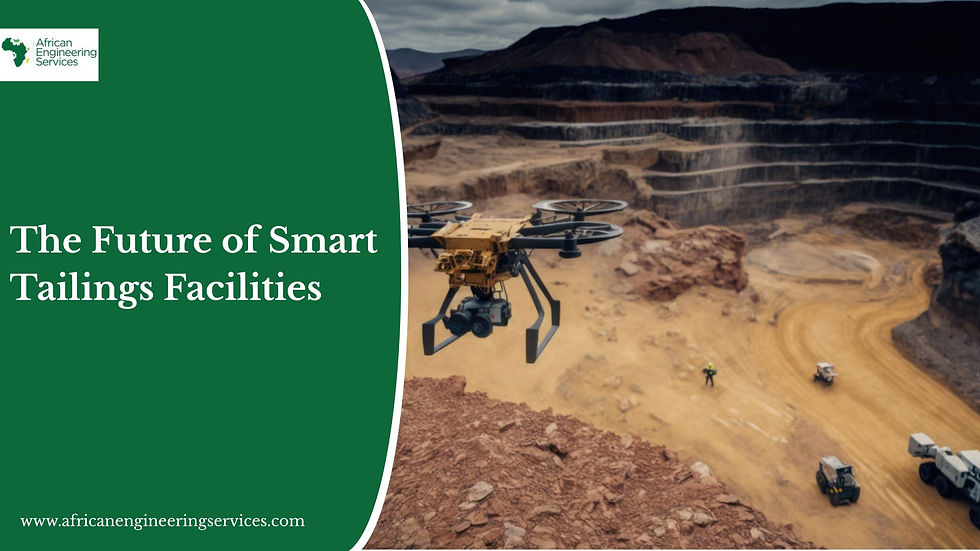
Modern dry stack facilities increasingly rely on instrumentation, drones, and remote sensing to ensure long-term performance.
The Way Forward
Dry stack tailings are not a one-size-fits-all solution, but they represent a major step forward in safer tailings management. The future will likely see:
Hybrid tailings solutions
Improved filtration technologies
Better integration of digital monitoring tools
Stronger regulatory guidance
Mines that invest early in understanding and implementing dry stack systems will be better positioned to manage risk, meet ESG expectations, and adapt to evolving standards.
Conclusion
The shift toward dry stack tailings reflects a broader transformation in the mining industry from reactive risk management to proactive, technology-driven solutions.
When properly designed, constructed, and monitored, dry stack tailings can offer safer operations, improved water efficiency, and stronger environmental outcomes. However, success depends on sound engineering judgment, site-specific analysis, and continuous performance monitoring.


Comments