
Conformance with GISTM: From Paper Policy to Real Practice – Lessons from Ghana
- anutsuglo
- Sep 16, 2025
- 2 min read

Ghana is Africa’s second-largest gold producer, with mining forming a backbone of the national economy. Yet alongside the prosperity mining brings, tailings management remains one of the sector’s most pressing blind spots.
From Tarkwa to Obuasi, communities living near mine sites have raised concerns about tailings leaks, cyanide spills, and water pollution over the past two decades. These incidents may not have made global headlines like Brazil’s Brumadinho disaster, but for local farmers, fishers, and families, the impacts have been devastating.
Why GISTM Matters for Ghana
The Global Industry Standard on Tailings Management (GISTM) was created to ensure such risks are minimized worldwide. But in Ghana, its importance is amplified for three key reasons:
1. Community Proximity – Many tailings storage facilities are located close to rivers and villages, making failures not just operational risks but direct threats to livelihoods and health.
2. Investor Scrutiny – As Ghana’s mines supply global markets, investors demand assurance that companies conform to international ESG standards.
3. Regulatory Gaps – While Ghana’s Environmental Protection Agency (EPA) provides oversight, enforcement capacity can be stretched. GISTM offers a stronger benchmark for companies to follow voluntarily.
From Paper Policy to Daily Practice
Adopting GISTM in Ghana requires moving beyond compliance checklists and embracing genuine cultural change in mining companies:
Board-Level Responsibility: Mining firms must designate accountable executives for tailings, ensuring risks are managed at the highest corporate level.
Transparency and Disclosure: Communities should have access to information about the design, safety, and monitoring of nearby facilities.
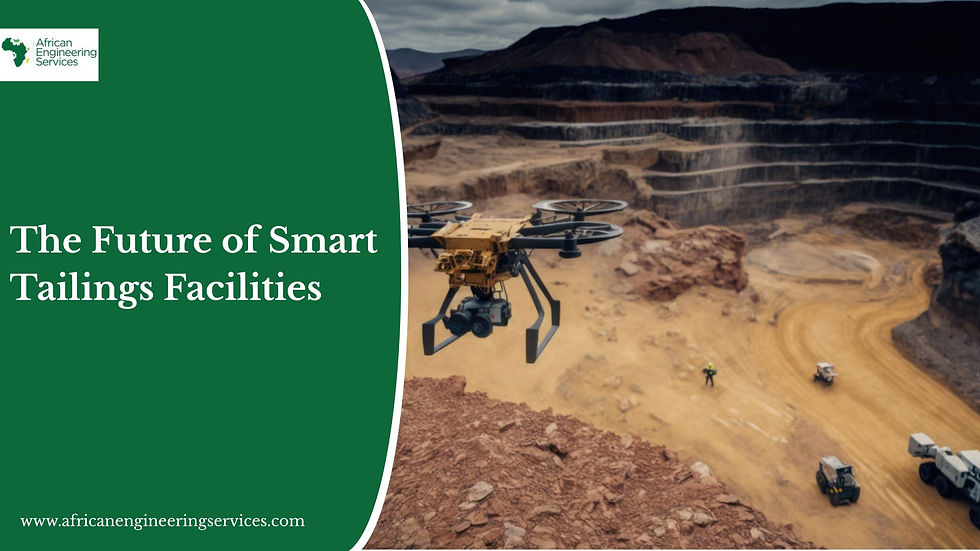
Technology Adoption: Tools such as drones, IoT sensors, and real-time water monitoring could greatly reduce risks, but uptake in Ghana has been limited.
Capacity Building: Training more Engineers of Record (EoRs) locally will be critical to ensuring independent oversight of tailings facilities.
The Ghanaian Opportunity
Conformance with GISTM is not just about preventing disasters it is about positioning Ghana’s mining industry as a leader in responsible mining. By embedding global standards into daily practice, Ghana can:
Protect vulnerable communities
Build trust between mining companies and local stakeholders
Attract ESG-conscious investors
Demonstrate African leadership in sustainable resource management
Final Thought
Ghana has long been known as the “Gold Coast.” But the true test of its mining legacy will not be the ounces of gold exported, but how responsibly it manages what is left behind.
Conformance with GISTM gives Ghana’s mining industry a chance to prove that safety, transparency, and community well-being are as valuable as the gold itself.


Comments