
Emergency Preparedness in Ghana’s Mining Sector: Are We Ready for Worst-Case Scenarios?
- anutsuglo
- Sep 25, 2025
- 2 min read

Mining has been the backbone of Ghana’s economy for decades, earning us the name “Gold Coast.” But alongside its economic value, mining carries risks; especially when it comes to tailings storage facilities (TSFs), chemicals, and the environment.
History shows us that spills and leaks in Tarkwa, Obuasi, and Prestea have disrupted water supplies, polluted streams, and created fear among local communities. Each time, the same question arises: are we truly prepared for worst-case scenarios?
The Gaps in Ghana’s Preparedness
Emergency preparedness in mining is often treated as a compliance exercise. Companies prepare documents to meet regulatory requirements, but too often these plans:
Sit on shelves without being tested.
Fail to involve communities living right next to tailings facilities.
Lack coordination with district assemblies, hospitals, and emergency services.
This gap became visible in several tailings spills, where affected communities had little or no information on who to call, what to do, or how to stay safe.
What True Preparedness Looks Like in Ghana
To move from paper to practice, Ghana’s mining sector must embrace a culture of readiness:
1. Practical Emergency PlansMines should have response plans that are not just written for regulators but tested regularly through drills involving workers, contractors, and local authorities.
2. Community EngagementCommunities near Obuasi or Tarkwa should not only be informed but also trained on evacuation routes, warning signals, and contact persons during emergencies.
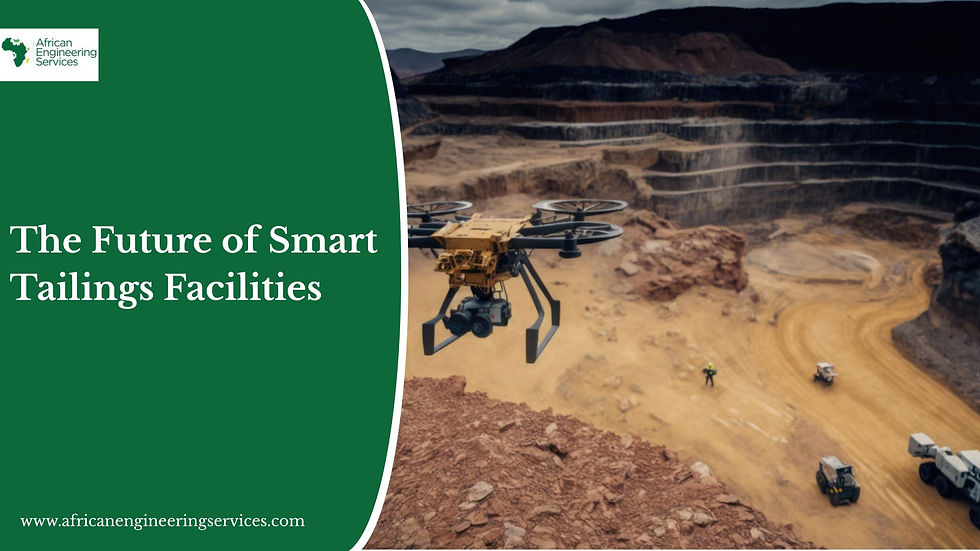
3. Technology & Early WarningReal-time monitoring of tailings facilities using sensors, drones, and alarms can give companies and communities precious time to act before a failure escalates.
4. Coordination with AuthoritiesMines must integrate their response plans with the capacities of district assemblies, NADMO (National Disaster Management Organisation), fire services, and local hospitals. Preparedness must be multi-stakeholder, not siloed.
Why It Matters Now
Ghana’s mining industry is growing, with new projects in gold, bauxite, and manganese. This means more tailings, larger facilities, and greater exposure to risk. Communities are increasingly aware, investors are demanding stronger ESG compliance, and regulators are under pressure to ensure safety.
Emergency preparedness is not a “nice to have”, it is a lifeline. Without it, even a minor incident can erode trust, spark conflict, and harm the reputation of Ghana’s entire mining sector.
Final Thought
In Ghana, mining has given us prosperity, but it has also tested our resilience. Preparedness is the difference between a controlled incident and a catastrophe. The question is no longer whether we have emergency plans on paper but whether those plans are real, practiced, and trusted by the very communities who need them most.
Because in mining, responsibility is measured not in ounces of gold, but in lives protected when things go wrong.


Comments